


Long Read: cruises and Capone
14/08/2026
 Contributing Editor Allan Foad writes: A short while ago my wife and I sailed from Miami to Jamaica and then down to Panama where we turned back and cruised up the east coast of Central America back to Miami via Mexico. Before docking in Jamaica, we listened to a talk on Ian Fleming who created James Bond on the island. After Panama the subject was “Banking in the Caribbean”, and it soon became apparent that the region is the world’s washing machine for dirty money. This prompted me to do a little more research when I came home.
Money laundering is said to be the world’s third largest industry although this cannot be substantiated as so much is invisible, and it is thought to have been invented in Chicago by Meyer Lansky, the righthand man of infamous 1930’s gangster Al Capone. Capone grew rich on the back of extortion, gambling, and prostitution and was awash with “dirty money”.
Lansky’s job was to “clean” this money so that it could not be traced back to his boss. The scheme he devised was to pass the money earned from crime through the tills of laundromats (any cash business will do) and pay the takings into legitimate banks from where they will probably travel around the world, passing through a series of shell companies and banks, before returning fully cleansed. When the money was back in Chicago it could not be linked to any criminal activity. Because the process began in laundromats it became known as “money laundering” but today, vape shops and Turkish barbers very often serve the same purpose.
I had not previously thought about it but I can now see that the Caribbean is ideally suited to play a central role in this activity. Firstly, it has the perfect location being neatly placed between the two American continents. It is easily accessible for American crime gangs, who can fly their illicit gains down in suitcases, and it is equally well placed for South American drug lords to trade their goods for dirty dollars. A lot of the drugs entering the USA pass through the Caribbean.
The second benefit for the money launderers is that these are all small countries with small populations and small banks. There will be a number of local banks but there will also be branch offices of international banks which are equally small. These might have thoroughly respectable and well-regulated parents but small operations in remote locations are notoriously difficult to supervise and control. The parents might even be prepared to turn a blind eye if the remote outlets are returning good profits; sometimes it is best not to ask too many questions. It is a fact that many banks in the past have been embarrassed by fraudulent losses in faraway places for lack of proper supervision.
The third advantage is that these small countries have rudimentary central banks and under-resourced regulators not equipped to supervise complex financial transactions. And the same can be said for the police who are not geared up to combat international crime and are susceptible to bribery. Banking regulation is minimal. The banks in the Caribbean sell themselves by offering total confidentiality and advantageous tax benefits, which makes them attractive to criminals.
The authorities in these countries are also very relaxed about shell companies and charitable trusts and ask very few questions. They both can be set up easily and are barely supervised but provide excellent vehicles for money laundering and good income for the local law firms. Shell companies conceal ownership and do not trade, but a lot of cash can flow through them.
Obviously, the international authorities are opposed to what is going on and some years ago set up the Caribbean Financial Action Task Force to combat money laundering and has had some success. It has tried to introduce information sharing and better supervision and has provided technical support to those who need it, and some countries have been taken off the bad boys list including Barbados, Trinidad and Tobago, and, more recently Jamaica. But not all countries have complied, and money laundering continues to be a major problem in the region.
We should always remember that the Caribbean has long had a reputation for being lawless. Another talk on the ship was about pirates or more particularly privateers (captains who have been commissioned by the state to commit piracy) like Henry Morgan of rum fame who was knighted by the British King. These rogues controlled the region for a long time. Today, as we learned in another talk, gangs have substantial control over Jamaica and like the mafia exploit the poverty on the island. The local culture, therefore, is conducive to criminality such as money laundering.
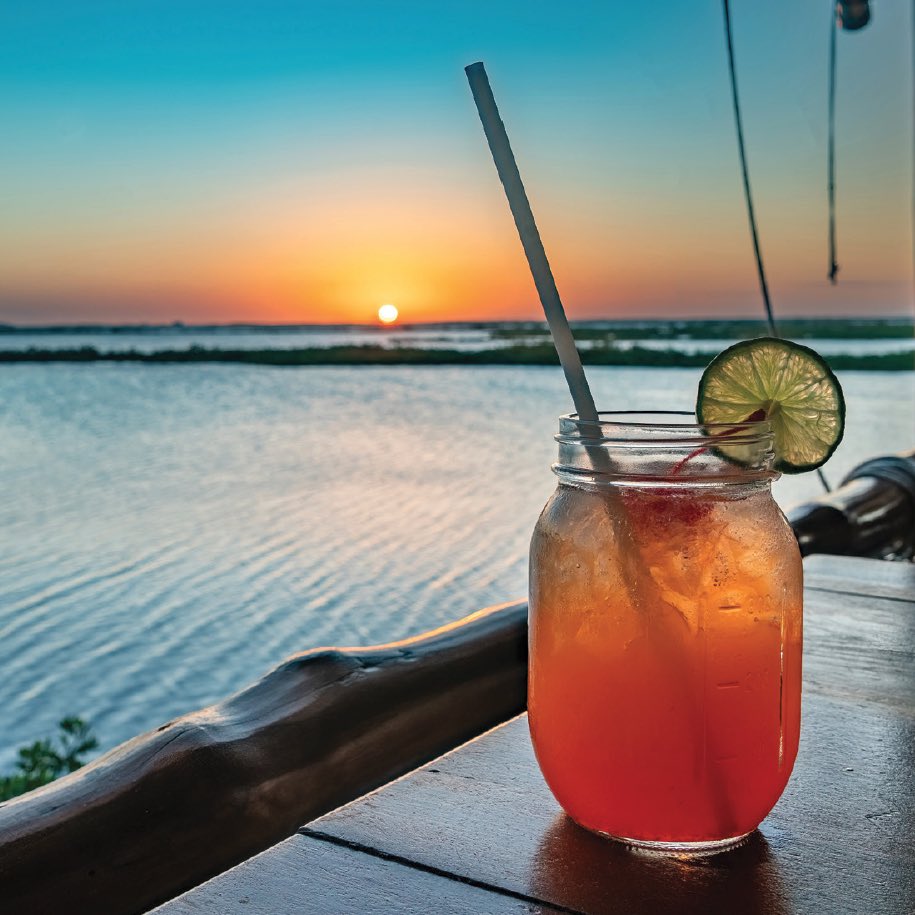
There is undoubtedly a murky underbelly in the Caribbean and money laundering cannot be condoned. It is fuelled by the proceeds of organised crime and goes to finance further criminality and terrorism, plus it underpins the drugs trade. The islands, however, remain tropical paradises and tourists will not encounter any untoward activity if they simply soak up the sun and rum punches.
*This is a shortened and edited version of Allan Foad's articler which first featured in issue 219 of L:easing World magazine*
Comment on this article
Back